A LIMS conversation can be over as soon as the quote arrives. Someone looks at the number, says, ‘That’s too expensive,’ and that’s it.
Fair enough. But before you decide a LIMS is too expensive, ask a different question: how much is your current setup costing you?
Let’s do some math. Add up the time spent on everything that isn’t really quality work: logging samples, retyping results, hunting for old files, preparing for audits, and so on. Then multiply it by the number of people and working weeks in a year.
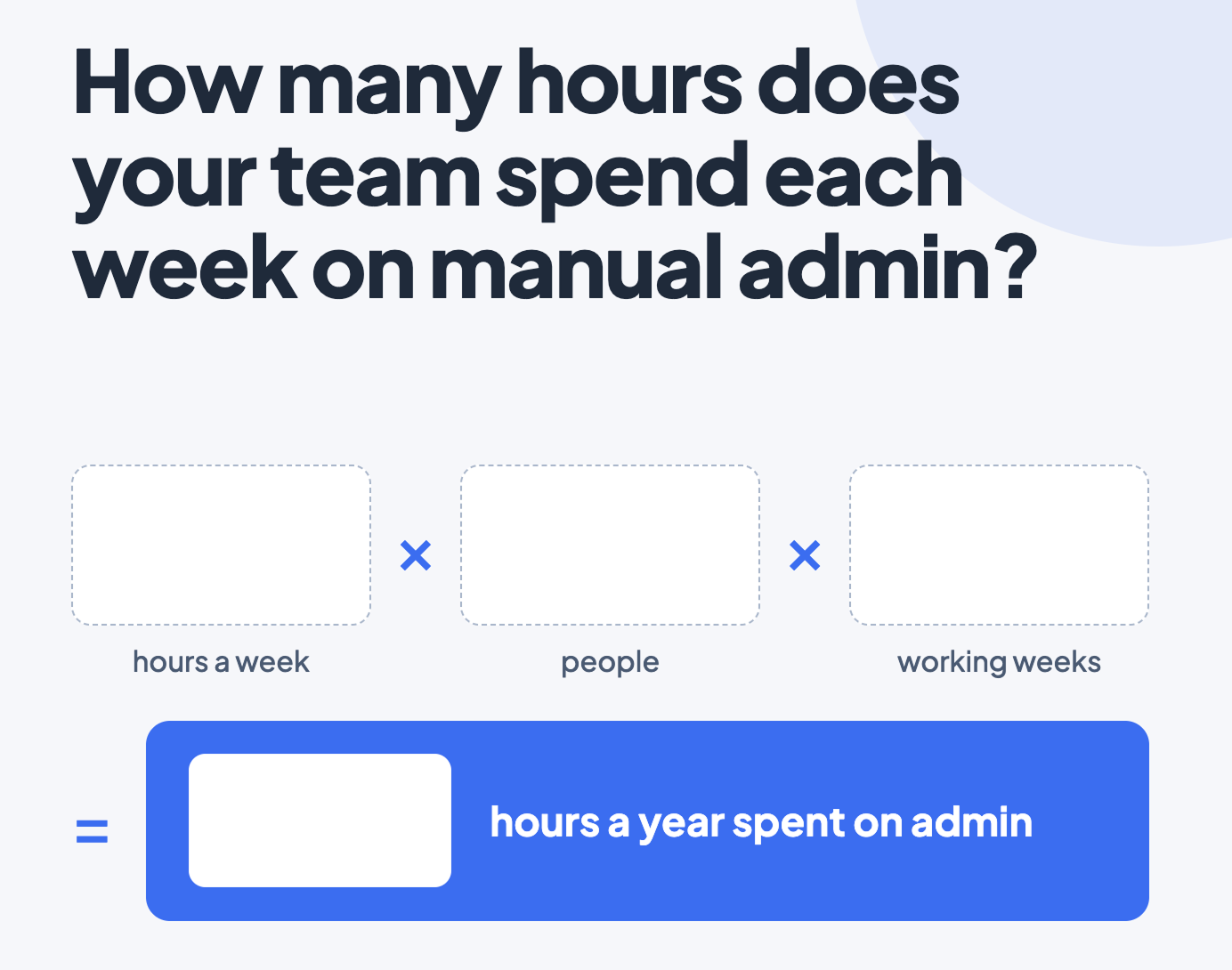
For example, 4 people spending 1 hour a day on manual work adds up to 880 hours a year.
That’s roughly half a full-time employee’s time spent on work that could be automated.
Micarna, part of Migros Industry, had 3 QC technicians processing 100–200 samples a day. With paper and Excel, it took 3-5 hours every day. After switching to 1LIMS, the same process took 2 hours, so the lab now processes 50% more samples.

Excel has its place when things change quickly. But as volume grows, the effort of keeping it accurate keeps growing too.
You may save 20 minutes today by doing something manually. 6 weeks later, you’ll spend an afternoon searching for old data.
Manual work can delay production, make audits harder, and keep good people buried in admin.
One QA tech described a typical day that will sound familiar to many:

And when the pressure builds, people leave. There are even separate discussions on Reddit about burnout in food safety and QA.
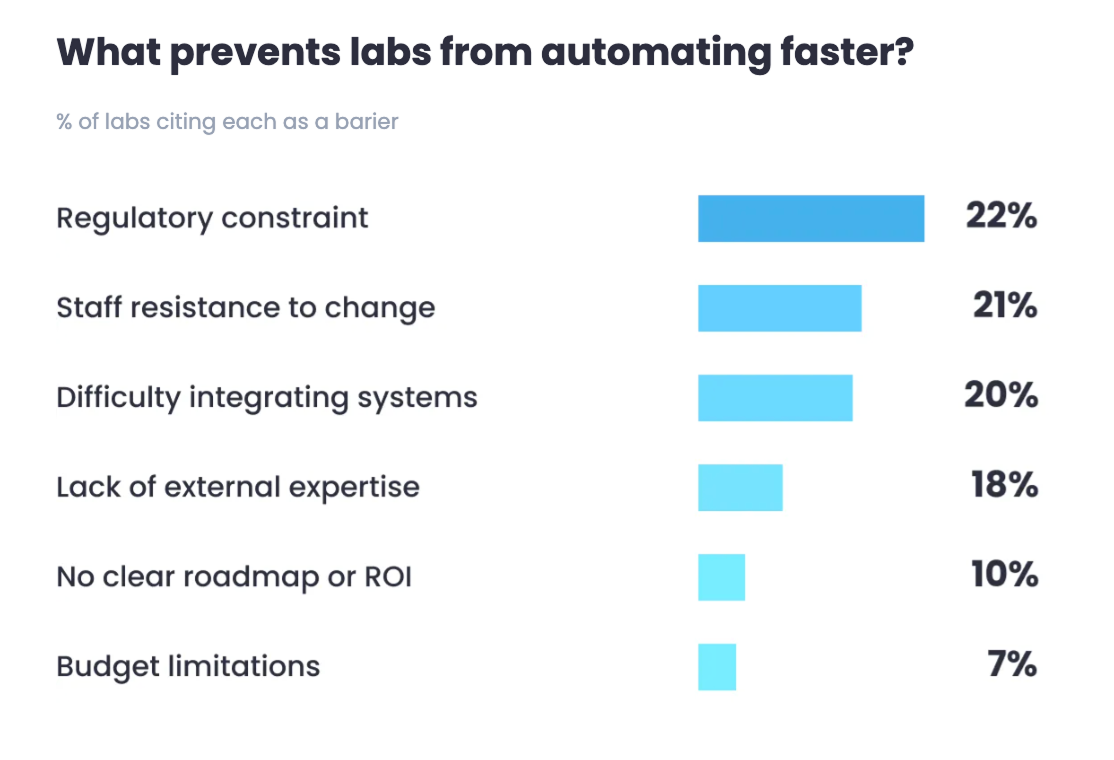
If you think budget is the main reason labs stay manual, our survey of 110 QA/QC labs tells a different story.
Budget came last, at 7%. The bigger barriers were regulatory constraints, staff resistance, and integration difficulty.
Those are reasonable barriers. Implementation takes work, and getting a system configured to your processes is harder than simply buying the software.
But that work eventually ends. The manual work doesn’t.
Find out what your current processes are already costing you in both time and money.
That's what LabCheck is for. We can map how your lab works, on-site or remote, find where time and data get lost, and calculate the total cost of automation before you commit to anything.
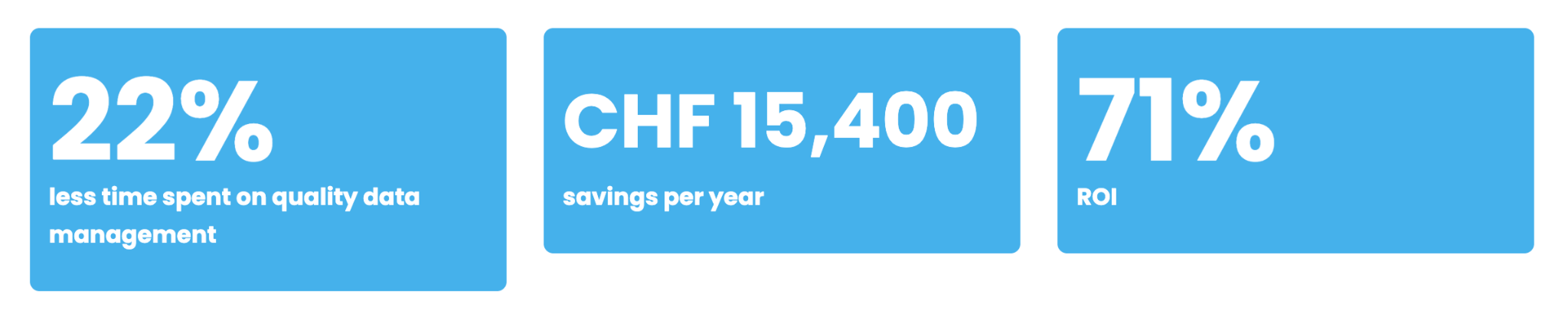
At Frifag Märwil, LabCheck found a path to cut QA workload from 32% to 10%, worth about CHF 15,400 a year.
So you don't have to guess whether a LIMS is worth it. You can first see what your current process costs and then decide.
P.S. Want to dig deeper? Check these out:
👉 LIMS software costs: the full breakdown
👉 What LIMS implementation actually costs
👉New Research In: What 110 QA/QC Labs Told Us About Digitalization in 2026
👉TIME IS MONEY: How the 1LIMS & Metrohm OMNIS integration saves your laboratory CHF50,000 per year
Happy & safe lab work!
❤️ Greetings,
1LIMS Team
Privacy is important to us, so you have the option of disabling certain types of storage that may not be necessary for the basic functioning of the website. Blocking categories may impact your experience on the website. More information