More features don’t mean better lab software. What matters is fit. Further, we describe what LIMS, QMS, ELNs, and calibration tools are good for, when to use them, and how to avoid paying for features you’ll never need.

F&B labs run many workflows. They handle instrument-generated data and calculations, nutritional testing, allergen detection, heavy metal analysis, pesticide screening, supplier compliance, and frequent audits. Often at the same time.
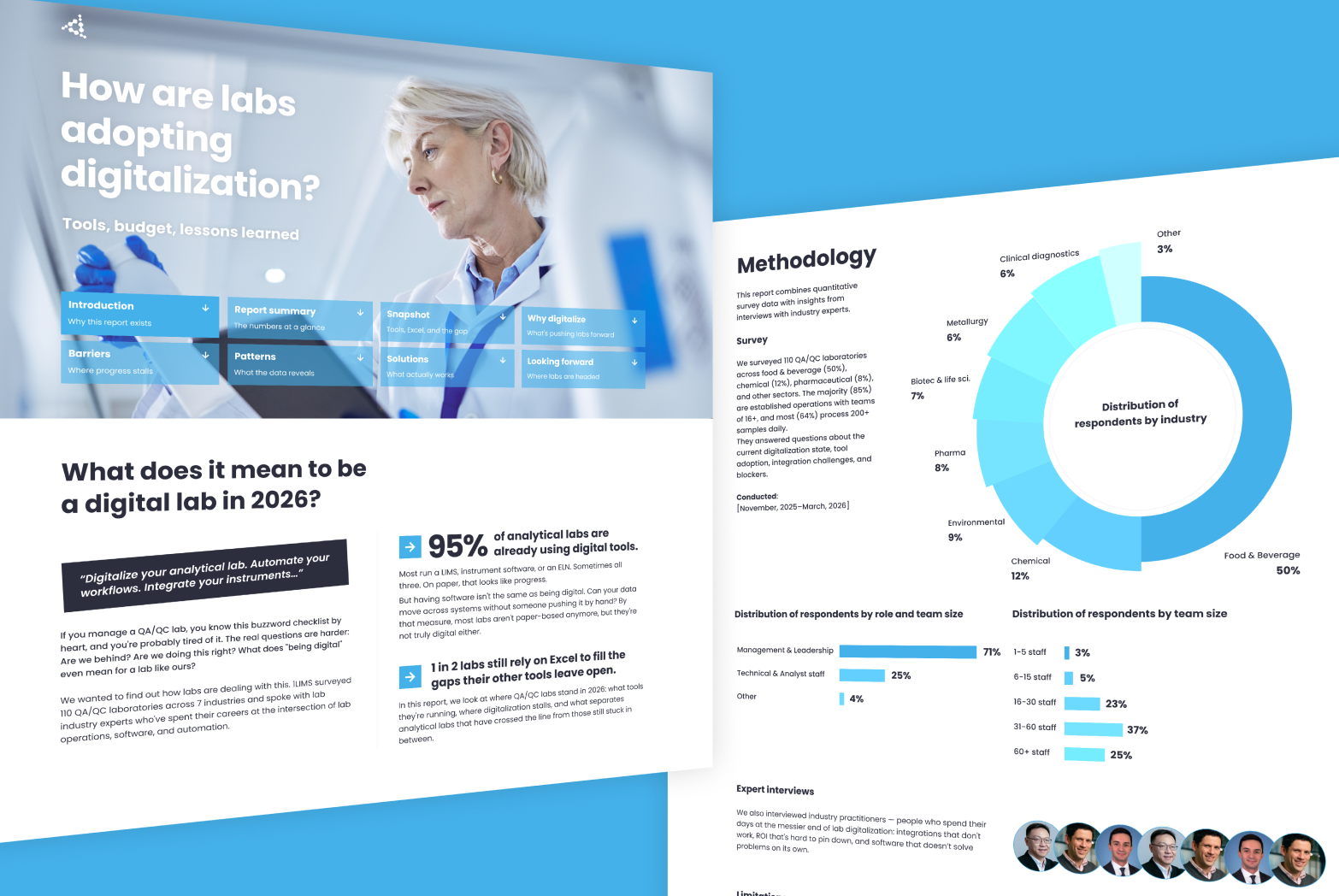
If your lab depends on Excel files and email threads, those tend to break down as volumes grow and processes overlap. Unfortunately, most labs work this way. In our 2026 State of Lab Digitalization Report — a survey of 110 QA/QC labs — 54% still rely on Excel, the second most-used tool after LIMS, and 1 in 3 labs that already have a LIMS keep running Excel alongside it. Excel has quietly become the lab's glue, holding together systems that were never built to connect. Even with experienced teams, lab operations still rely on manual steps, which leave room for error. As a result, data gets trapped and findings can’t be traced back to their source.
We know this story well. Zweifel Chips & Snacks AG, the biggest snack producer in Switzerland, managed their quality control with paper logs and Excel. Over time, this led to lost samples and inefficient workflows. When they evaluated LIMS options, they chose 1LIMS. The reason? It solved their problems without burying them in features they'd never use.
So don’t overthink it. Match software to the job at hand. Below, we'll compare some of the best lab management software, so you can build a setup that works for your lab.
Practitioners we interviewed for the report land in the same place. Dr Phil Williams, a LIMS expert at LIMS4U, puts it plainly: "You want a system that's configurable above all else, not just feature-rich." Labs don't get stuck for lack of features. They get stuck because nothing connects.

When you Google for lab management software, you will see that all options fall into two broad categories: 1) all-in-one lab platforms and 2) focused, modular software for specific lab tasks.

We’ll start with focused tools for specific workflows.
Unlike all-in-one platforms that bundle everything together, modular systems are purpose-built. Each system has a clear scope and does that particular job better than a general-purpose platform trying to handle everything.
That’s why most F&B labs start with strong core software and add other tools only when there's a real need. You don't implement everything on day one. You solve the problem that's causing pain right now. If it's lost samples, you start with a LIMS. Later, when compliance documentation becomes unmanageable, you add a QMS. This way, you match the right tool to each job. And change tools accordingly once better options emerge.
Further, we've organized the best lab management software options by category. Since our goal here is to help you choose the right tools, we’ll evaluate modular lab software based on a few core aspects: primary function, best fit, and main trade-off. We’ll also include pricing to help you get a rough sense of budget, but don’t be surprised if some vendors still say “contact us for a quote.”
💡Quick reminder → A LIMS is software that manages samples, tests, and results in a lab. For most labs, this is where you start.
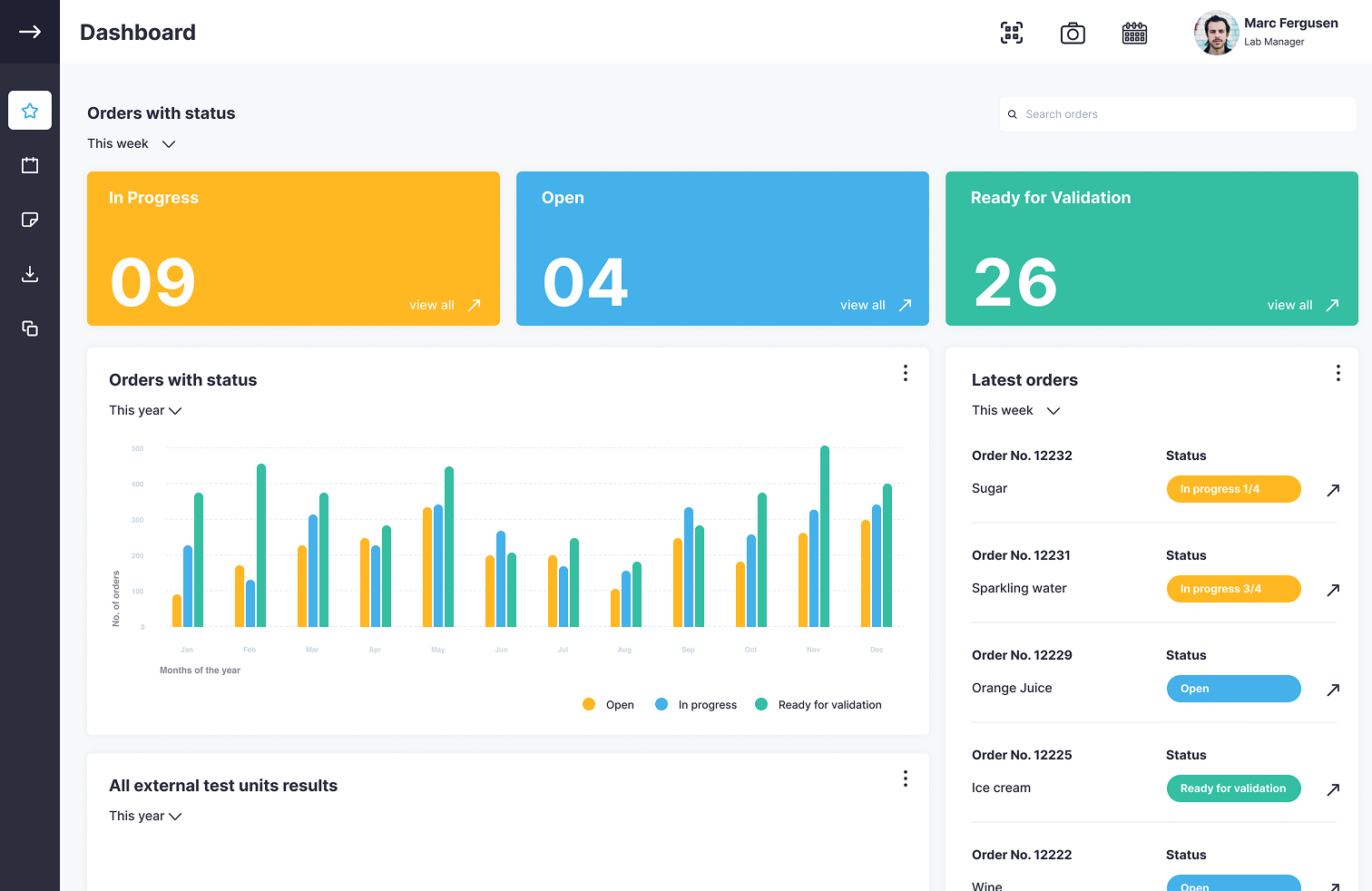
1LIMS is a cloud-based LIMS that handles the full QC ecosystem in one place. It covers order and sample management, automated re-tests and risk-based analyses, label printing with QR codes, dashboards, master data, and integrations with lab devices and external labs. Paper records and Excel are replaced with digital standard operating procedures (SOPs), certificates of analysis (COAs), inspection forms, and automated audit trails.
Best fit for: Small to mid-sized manufacturing and F&B QC labs that look for strong traceability and audit readiness without the overhead of enterprise-scale platforms.
Main trade-off: 1LIMS is flexible and configurable where it matters for F&B QC workflows. But it’s not an “everything for everyone” solution. If your lab needs highly specialized data models or tight enterprise IT control across dozens of interconnected systems, you’ll probably want a bigger platform. However, note that such implementations might take several months. In contrast, 1LIMS is often live within 30 days.
Any idea on pricing? The final price depends on lab size and workflow complexity, but we can share realistic examples to help you understand the budget range. For a small service lab, the total first-year cost is typically around $15,000 (≈ €12,800). For a mid-sized manufacturing QC lab, it’s usually closer to $22,000 (≈ €18,800) for the first year.
To help you understand where the cost comes from, we’ve detailed what’s included in a LIMS price in a separate article.
Compared to most LIMS vendors, Labworks LIMS can be called a pioneer. It has been on the market since 1985 and has delivered 400+ successful implementations. The platform provides tools for sample collection and tracking, inventory management, workflow automation, and regulatory compliance for labs of various sizes and complexity.
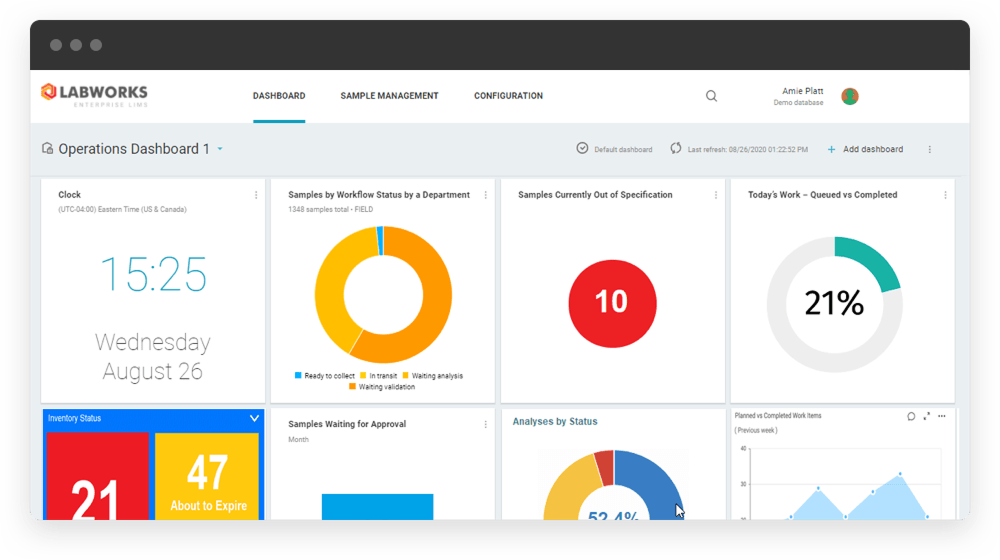
Best fit for: Labs in agriculture, environmental testing, water quality, food and beverage, chemical processing, manufacturing QC, and mining sectors that need a full-featured system. Suitable for environmental labs that need EPA compliance support and scheduling for sample collection runs, locations, and sample points.
Main trade-off: Labworks is broader than basic sample tracking and may require some configuration to match specific lab workflows.
Any idea on pricing? Labworks uses a quote-based pricing model. In their own materials, they note implementations ranging from around $20,000 for simpler setups to well over $1 million for complex enterprise environments.
For a feature-by-feature comparison, see our recent Labworks vs 1LIMS blog post.
Built on the Salesforce platform, Lockbox LIMS (by Thirdwave Analytics) provides features for sample tracking, inventory management, protocol execution, freezer and instrument management. It’s a modular LIMS, so labs can use (and pay for) modules they need now and expand later as their workflows grow.
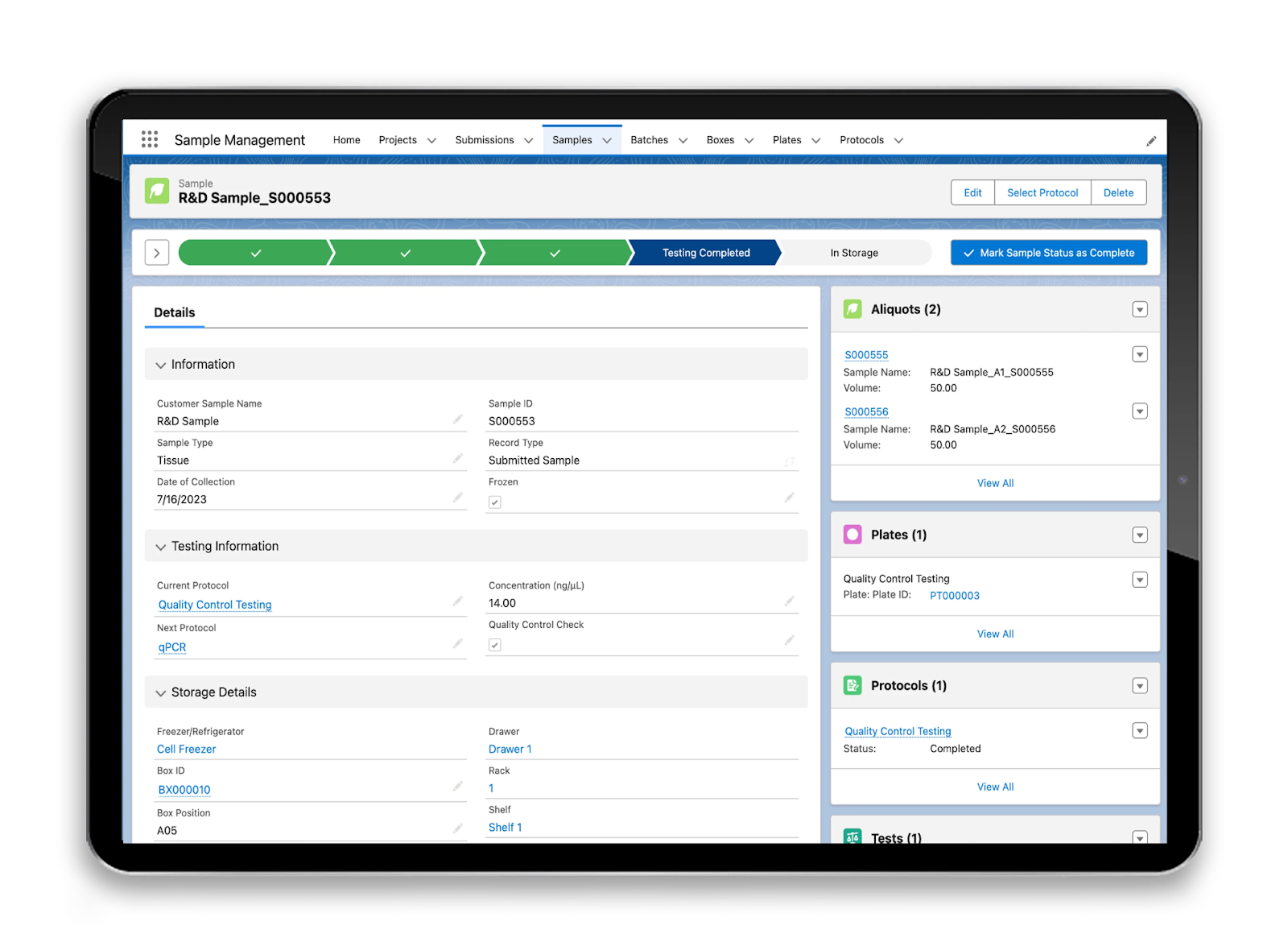
Best fit for: Life science, biotech, R&D, NGS (next-generation sequencing), and QC manufacturing labs. Makes sense for laboratories that want to leverage Salesforce's ecosystem.
Main trade-off: If your lab isn’t in life sciences or biotech, tools designed for your industry may fit better.
Any idea on pricing? Lockbox LIMS uses a modular, per-user subscription model. The first module starts at $175 per user per month, with each additional module priced at $25 per user per month.
💡Quick reminder → A QMS governs the rules around quality, like SOPs, deviations, corrective and preventive actions (CAPAs), audits, training records, and change control. Labs usually add a QMS when audits become frequent or quality processes extend beyond the lab into production and suppliers.
SimplerQMS is a cloud-based electronic QMS for life science organizations, including pharmaceutical, medical device, and biotechnology companies. The platform provides comprehensive QMS functionality with document control, change management, training, CAPA, supplier management, and design controls within a single subscription.
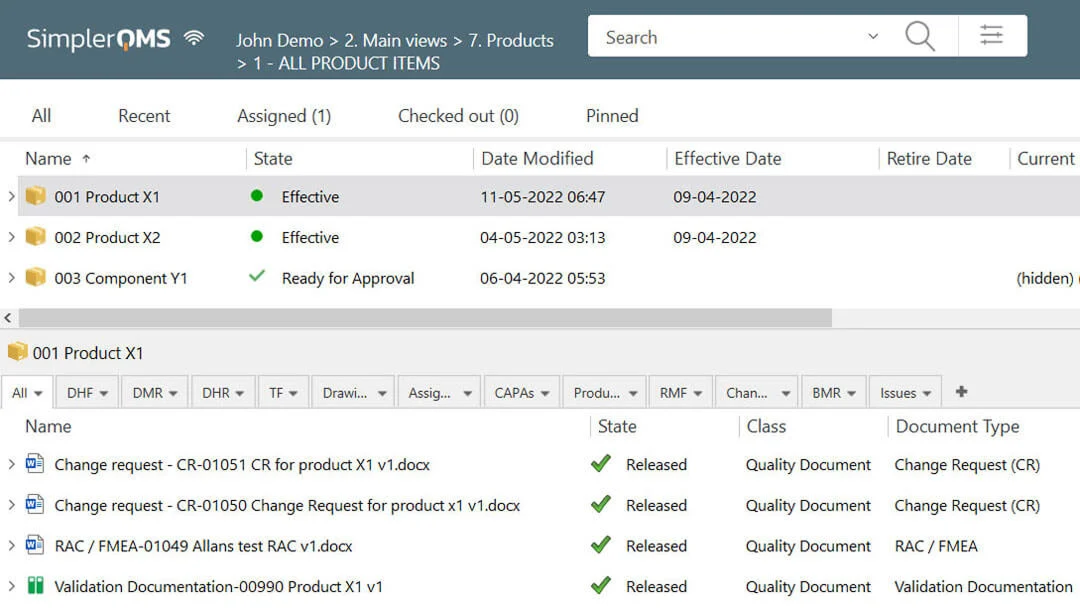
Best fit for: Organizations in regulated life science industries that need compliance with GxP, ISO 13485:2016, FDA 21 CFR Part 820, FDA 21 CFR Part 11, EU GMP Annex 11, EU MDR and IVDR, and others.
Main trade-off: Great fit for regulated life sciences, but for labs with lighter quality needs, the overall investment can be hard to justify.
Any idea on pricing? SimplerQMS uses a subscription-based pricing model with an entry cost starting at around $15,000 per year. The price includes access to all QMS modules, along with implementation, validation, updates, training, hosting, and support.
SafetyChain is a digital quality and plant management platform widely used in food and beverage manufacturing. It helps teams manage audits, corrective actions, supplier performance, and day-to-day quality checks. By connecting quality, suppliers, and production, SafetyChain gives visibility into what’s happening on the plant floor and helps ensure quality checks are done consistently.
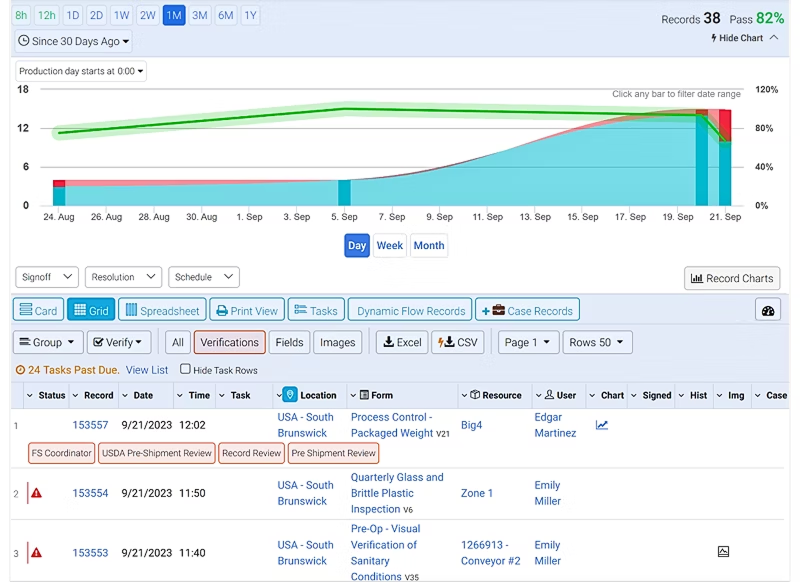
Best fit: F&B manufacturers and process industries that need a plant-wide quality and compliance platform, not just a lab-centric QMS.
Main trade-off: Because SafetyChain covers quality across the entire plant and supply chain, there’s a learning curve, especially for teams used to lab-only systems.
Any idea on pricing? SafetyChain offers three plans, all priced on a quote-based model.
💡Quick reminder → An ELN is used to document how tests are performed. It replaces paper lab notebooks with structured, searchable records for methods, observations, calculations, and approvals.
LabArchives is a cloud-based ELN popular in academic, research, and industrial labs. It focuses on structured experiment documentation, version control, collaboration, and secure record keeping, with support for attachments, templates, and audit trails.
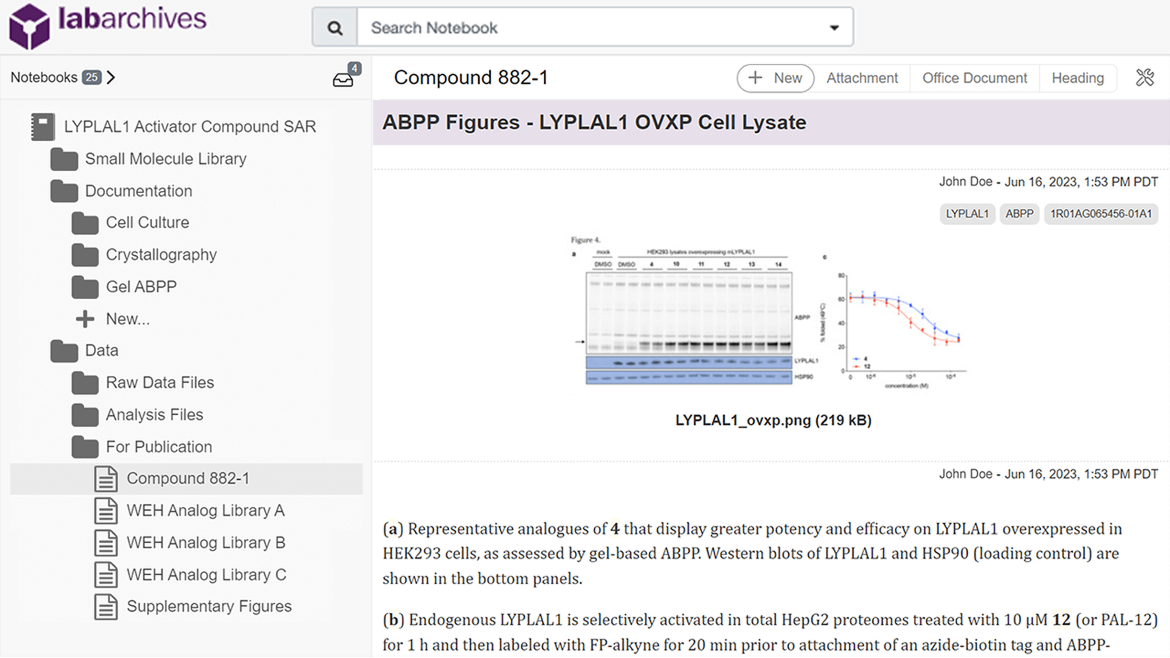
Best fit: Research-focused labs and teams that need a straightforward ELN for documenting experiments.
Main trade-off: Less focused on production QC or high-throughput testing workflows.
Any idea on pricing? LabArchives provides a free plan for individuals and small teams, plus three paid tiers starting at $330 per user per year.
Labfolder (by SciSure) is a browser-based ELN designed for secure scientific data management. It lets users organize experiment data, track changes, collaborate with teammates, and comply with regulatory standards without local installation.
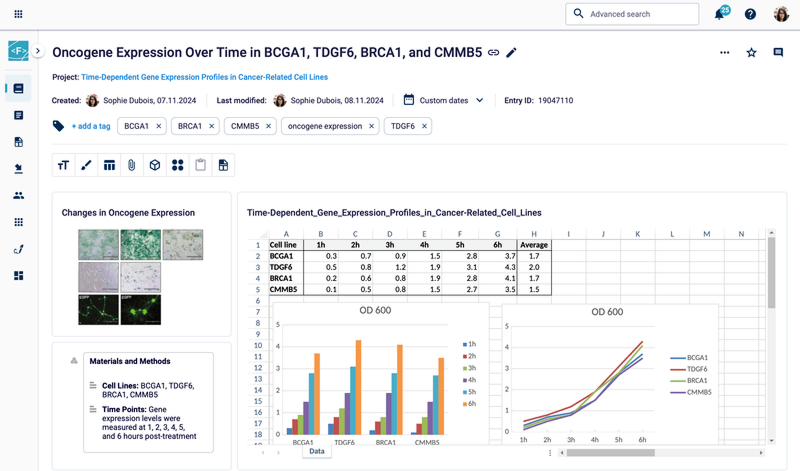
Best fit: Works great for individual researchers and small teams that need structured experiment documentation.
Main trade-off: It’s an ELN, so it’s good for documentation, but QC labs shouldn’t expect much beyond that.
Any idea on pricing? Labfolder uses a quote-based pricing model. To get detailed pricing for your team, you need to contact the vendor directly.
eLabFTW is an open-source ELN that combines experiment documentation with basic inventory and database features. It can be installed on your own server by your technical team, or hosted and maintained for you by the eLabFTW specialists.
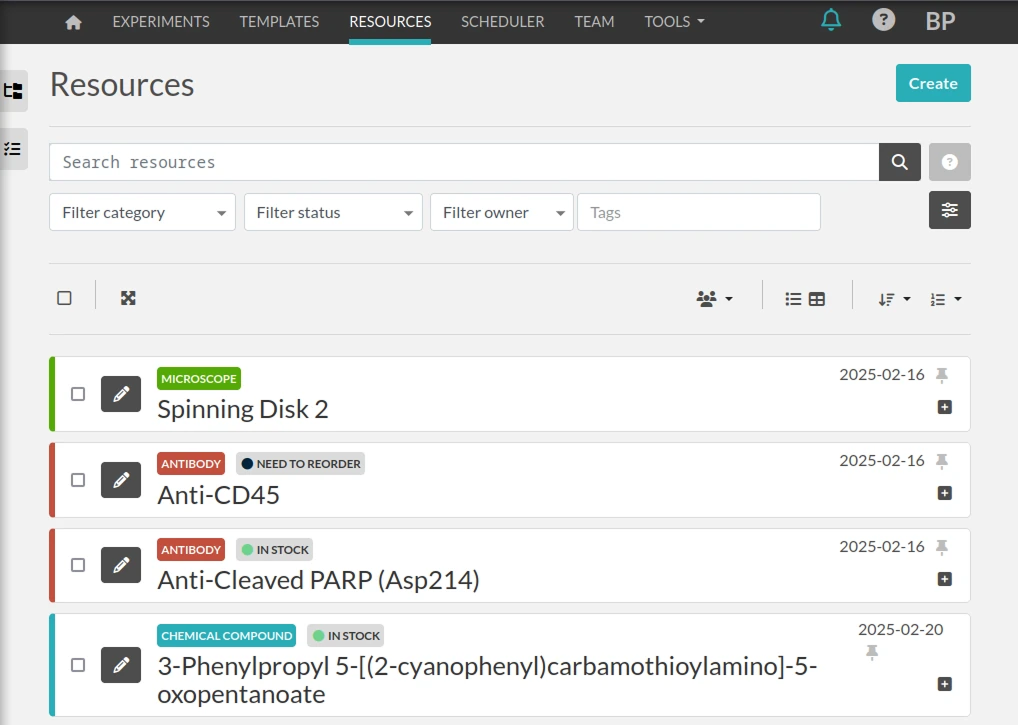
Best fit: Labs with in-house technical resources that want a customizable, open-source ELN.
Main trade-off: Requires more setup, maintenance, and technical ownership compared to commercial ELNs.
Any idea on pricing? eLabFTW itself is free as open-source software if you self-host it. For teams that prefer a managed setup with hosting, support, and maintenance, there are hosted options that start at around €3,200 per year.
💡Quick reminder → Laboratory inventory management systems help labs track what they have and in what quantities. It usually includes consumables, reagents, chemicals, and sometimes freezer stock.
Quartzy helps labs track consumables and reagents, manage purchase requests and approvals, and centralize ordering from multiple suppliers. With Quartzy, teams understand where money is going and can reduce duplicate or unnecessary orders.
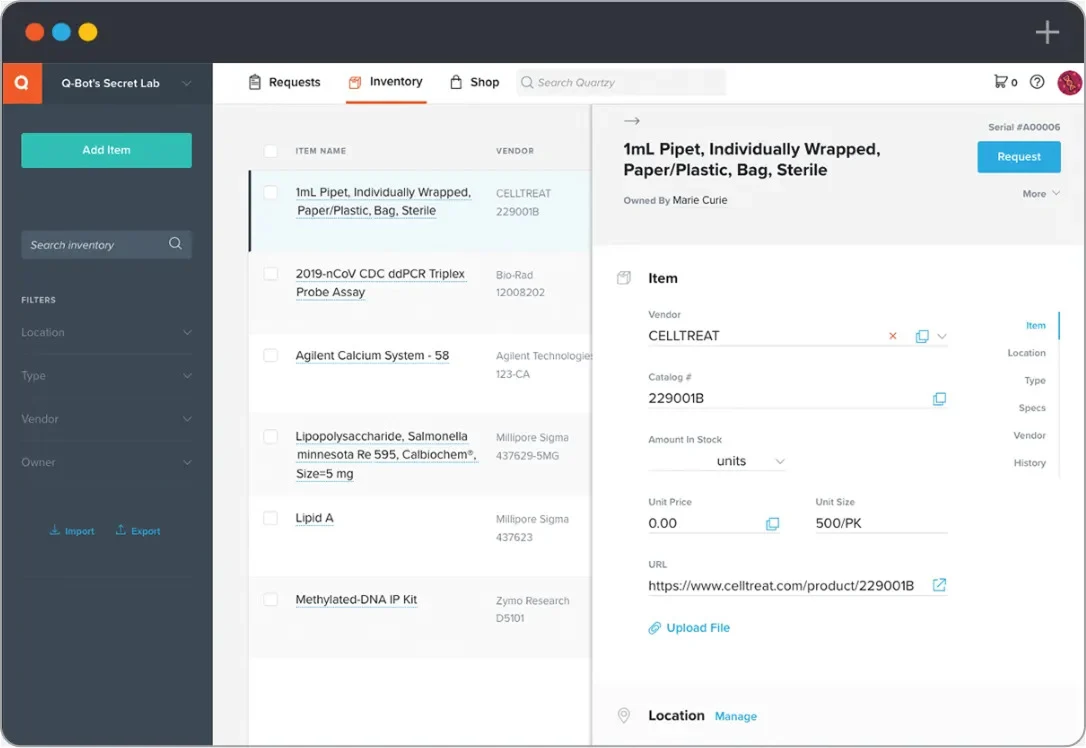
Best fit: Labs and organizations that want to simplify purchasing, improve visibility into consumables, and control lab spend.
Main trade-off: Focuses on inventory and procurement rather than scientific workflows like samples, tests, or results.
Any idea on pricing? Quartzy offers three pricing plans: Starter, Professional, and Academic. The entry plan starts at $249 per month for up to 5 users, with additional users costing $39 per month each.
ChemInventory is an inventory management system with a strong emphasis on safety, compliance, and traceability. It helps labs catalog chemicals, track quantities and storage locations, manage Safety Data Sheets (SDS), and generate reports needed for audits and inspections.
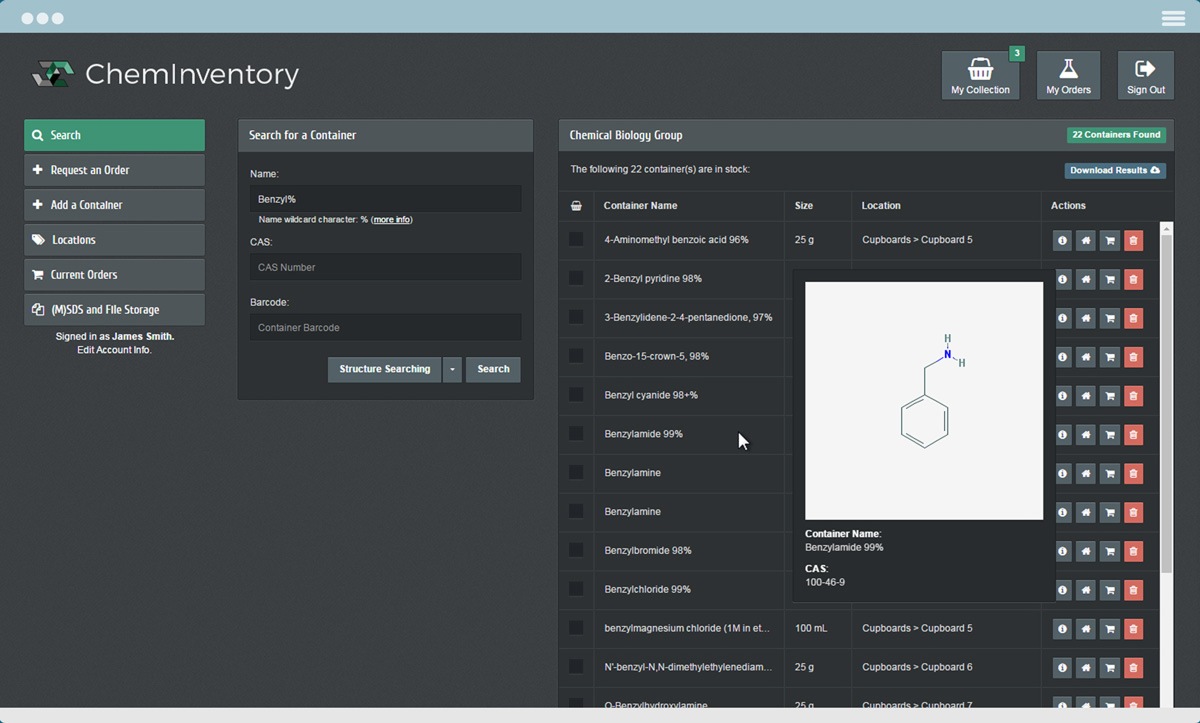
Best fit: Labs that work with a wide range of chemicals and look for structured chemical inventory control and compliance support.
Main trade-off: It handles chemical inventory well, but you’ll still need other systems for broader lab management. If chemical tracking is your primary need, it does the job well.
Any idea on pricing? ChemInventory offers a free plan, plus yearly subscriptions available from $56 per year for up to 30 users and $99 per year for up to 50 users. Larger organizations can opt for site or enterprise licensing.
💡Quick reminder → Equipment management systems help labs track instruments, calibration status, maintenance schedules, and compliance records.
Gaugify is a calibration and equipment management tool to take the stress out of instrument compliance. It allows labs to monitor calibration schedules, record calibration results, and see the current status of each instrument at a glance. The platform includes notifications for upcoming calibrations, analytics reporting tools, role-based access controls, and digital documentation with audit trails.
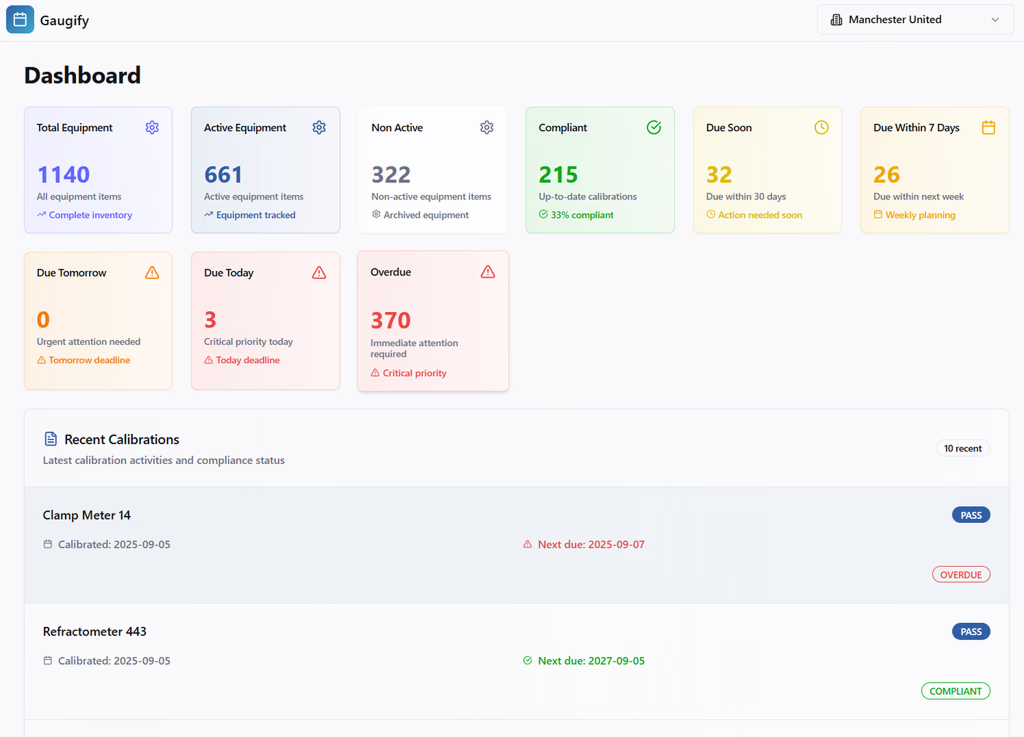
Best fit: Labs that need a straightforward way to manage instrument calibration and equipment compliance without building custom systems.
Main trade-off: Focused only on equipment and calibration. It might complement a LIMS, but does not replace sample, test, or result management.
Any idea on pricing? Gaugify provides three plans: Starter ($70/month), Professional ($150/month), and Enterprise ($250/month), all with a 14-day free trial included.
CompuCal is a calibration management software servicing life sciences, F&B, oil & gas, manufacturing, and more. Developed by calibration professionals, the platform helps organizations schedule, document, and control calibration and maintenance work, automate workflows, and generate certificates and reports to support compliance with standards such as ISO/IEC 17025 and 21 CFR Part 11.
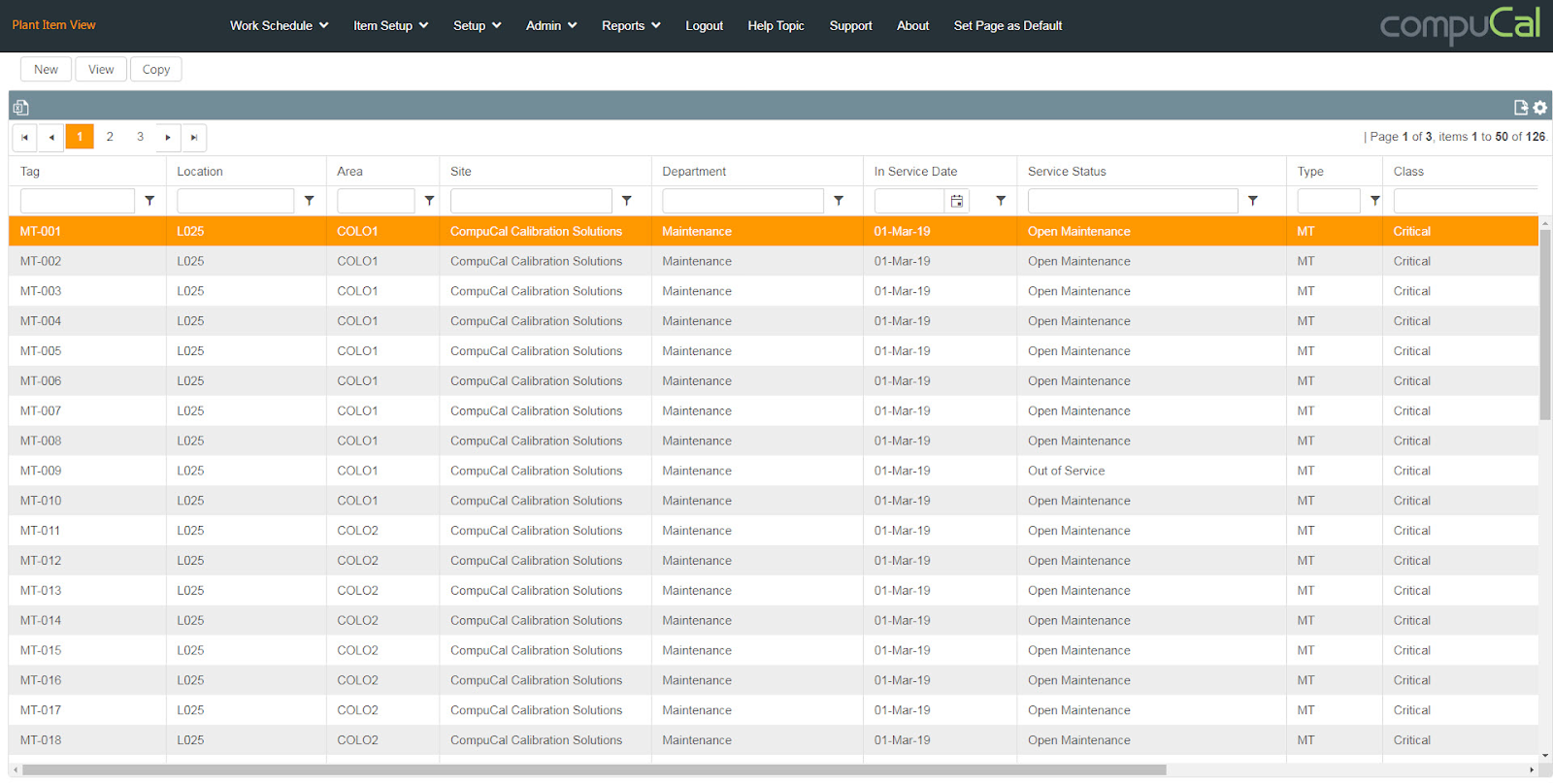
Best fit for: Organizations with a large installed base and high volumes of work orders per year.
Main trade-off: Because it’s designed for environments with high compliance requirements, it may feel too comprehensive for labs with simple calibration needs.
Any idea on pricing? CompuCal pricing is custom and based on asset count, users, and compliance requirements.
GAGEtrak is a long-established calibration management system with more than 35 years on the market. It helps teams keep track of gages and instruments, manage calibration schedules, and stay aligned with FDA and ISO requirements.
The software supports calibration records and certificates, bar-coded labels, automated reminders, and tools like gage R&R analysis. GAGEtrak also offers IIoT (Industry Internet of Things) and REST API capabilities to integrate with modern industrial systems.
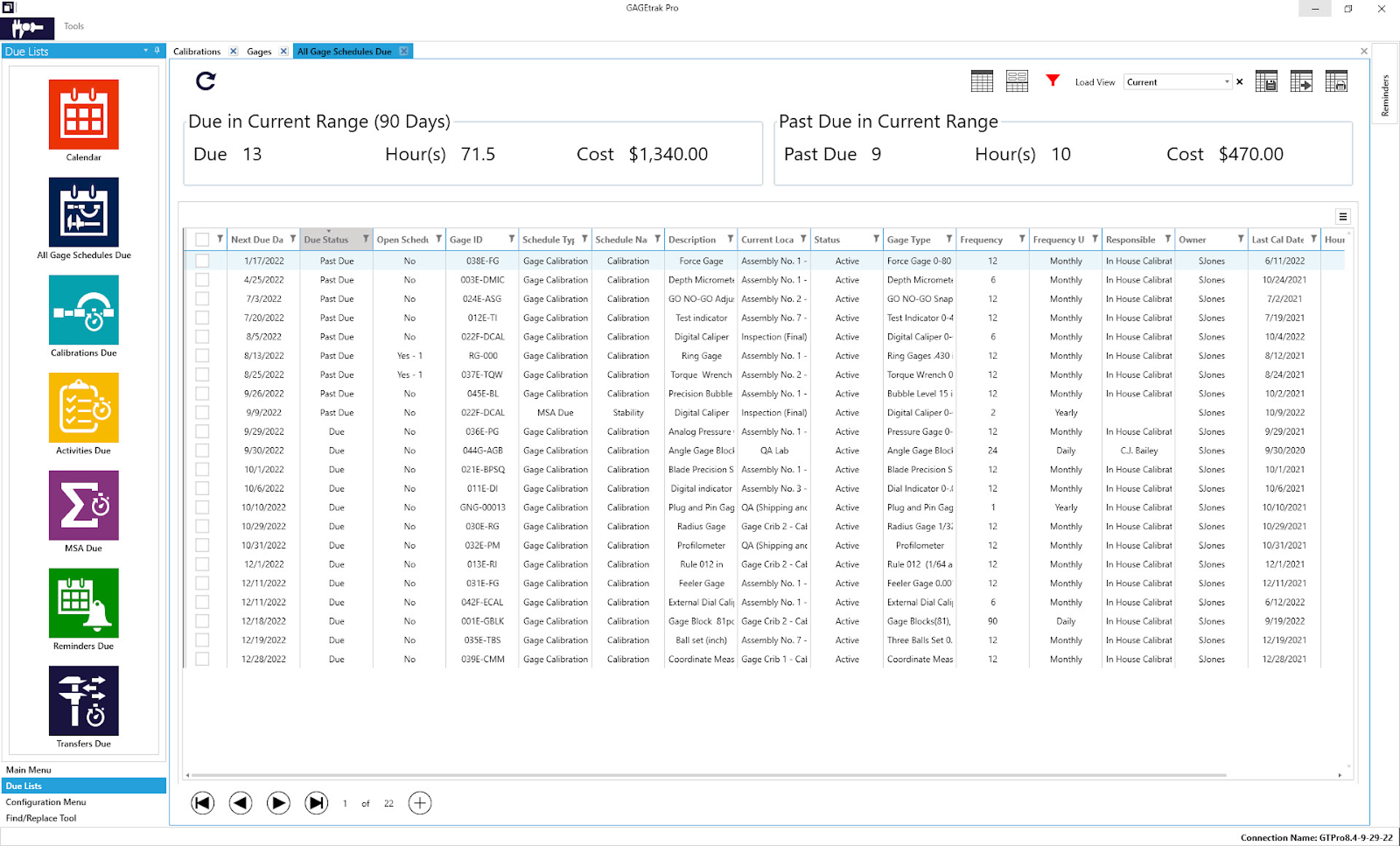
Best fit for: Organizations of various sizes with diverse gage inventories.
Main trade-off: GAGEtrak specializes in calibration and gage control, so it doesn’t cover laboratory workflows beyond equipment management.
Any idea on pricing? GAGEtrak offers a free trial and has multiple editions (Pro and Lite), but specific pricing is not published online.
All-in-one platforms combine LIMS, ELN, ERP, inventory management, instrument integration, QMS modules, and sometimes even supply chain tools. All under one roof.
Well-known examples include LabWare, Labguru, CloudLIMS, Sapio Sciences, and STARLIMS, among others. That breadth is their main strength, and, for many labs, also their main challenge.
We won’t spend too much time on specific platforms here, as we’ve already covered them in detail in our recent article on the best LIMS vendors. If you’re looking for a deeper comparison, you’ll find it there.
For this blog post, we'll highlight what all-in-one platforms include, using a few representative examples.
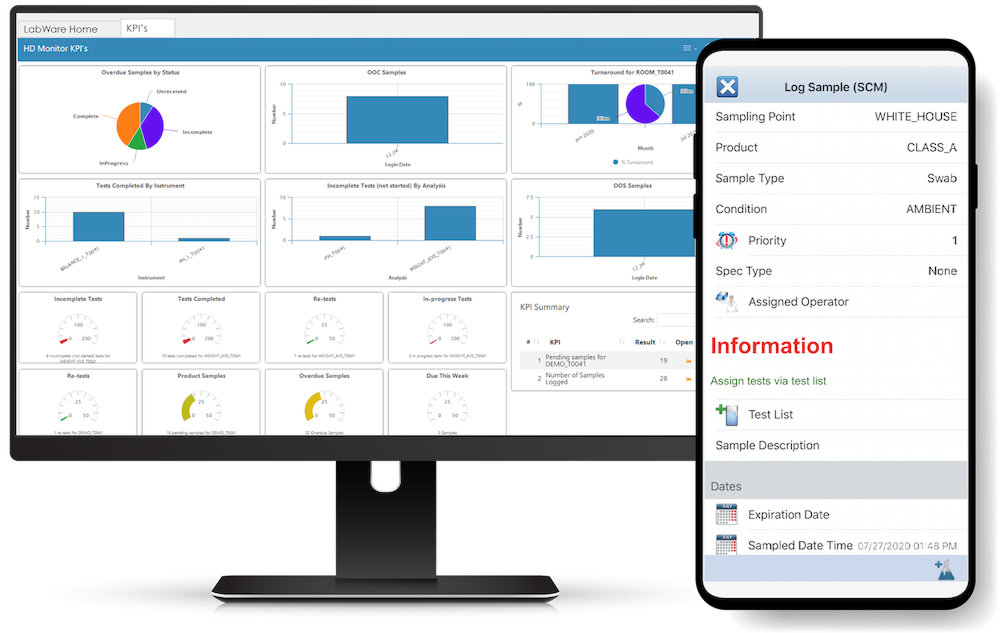
LabWare is one of the oldest and most established enterprise platforms. Right from its home page, we see it combines LIMS and ELN, plus a mobile app for remote lab work. Upon closer examination, we find it supports instrument integration, advanced reporting, and enterprise system integrations.
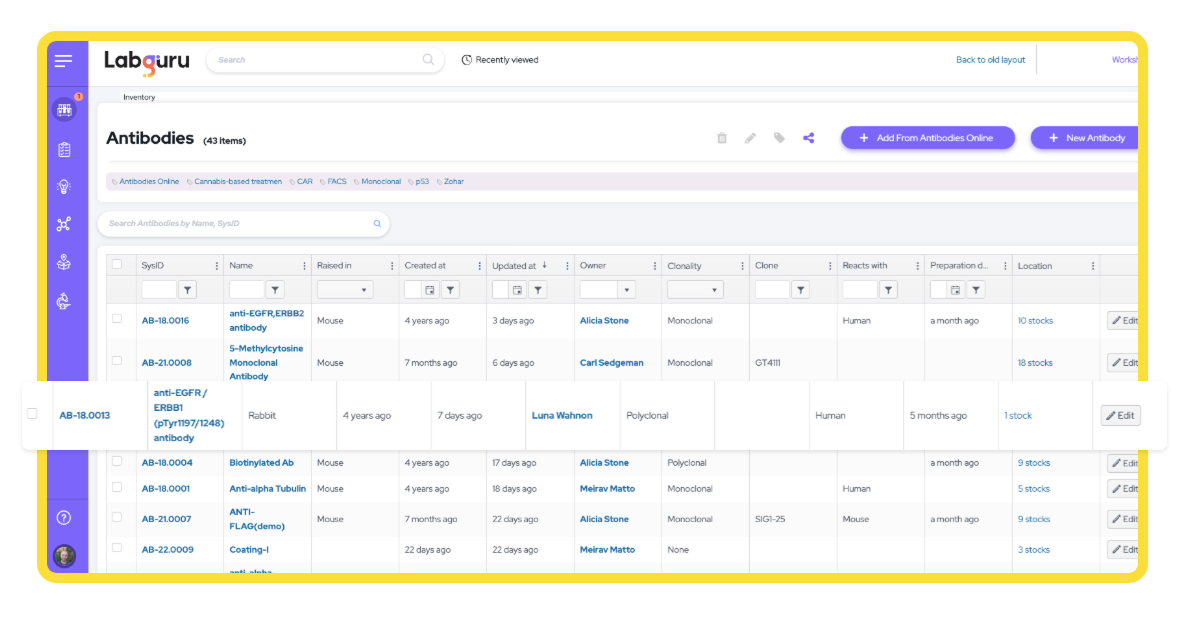
With Labguru, the picture is quite the same. It’s a comprehensive, cloud-based platform that brings together LIMS functionality, an ELN, inventory management, and equipment scheduling in a single environment. Labguru also has a mobile app to support lab work on the go, plus a Chemistry Notebook designed for chemical research workflows.
For a deeper perspective, see our 1LIMS vs Labguru comparison, where we break down how the two platforms differ.
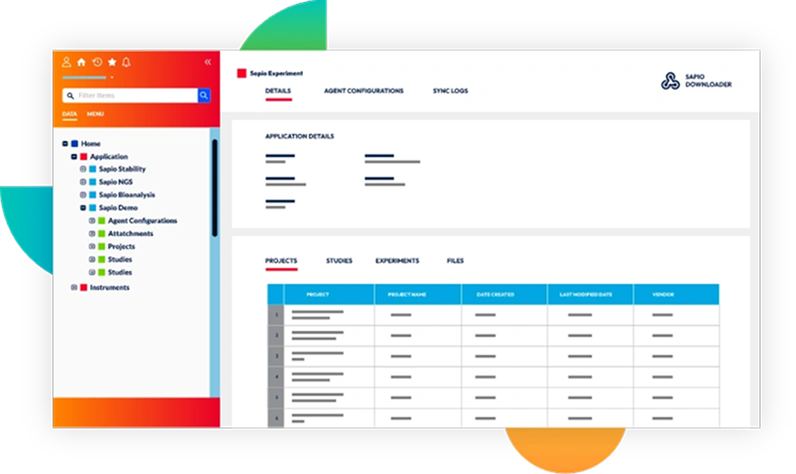
Sapio Sciences positions its offering as a unified, AI-driven lab informatics platform that combines a fully configurable LIMS, an AI-native electronic lab notebook, and scientific data management software. The platform also provides out-of-the-box templates for sectors such as research, clinical, chemistry, bioanalysis, and more.
All-in-one platforms like these are usually very flexible. You can configure workflows for almost any lab process, build custom data structures, automate complex approval chains, and generate highly tailored reports. In theory, they can be shaped for nearly any lab environment.
The constraint is implementation complexity and cost. These platforms are flexible, but that flexibility requires months of configuration and specialized technical resources. For multi-site operations with dedicated IT support and solid budgets, that makes sense. For small and mid-sized F&B labs, it might be an overkill. As a result, you pay for capabilities you won't use for years, if ever.
Lukas Bromig, Founder & Co-CEO of UniteLabs, framed the real question in the report: the question was never which platform to buy, but where one tool's job ends and another's begins. For most small and mid-sized F&B labs, a focused LIMS that integrates beats an all-in-one suite you'll spend months configuring.
If a comprehensive platform is still on your shortlist, we break down CloudLIMS in our recent comparison article.
Now, let’s move forward with focused lab management software.
Well-run F&B labs don't buy more software. Instead, they prioritise the right software.
Think of it as buying kitchen equipment. If you want an oven, you don't want to buy a machine that's part oven, part mixer, and part dishwasher. You want to get a great oven that bakes perfectly. Your lab deserves the same approach.
That's the philosophy we followed when developing 1LIMS. We don't try to be your ELN, your procurement system, or your plant-wide QMS. We manage samples, tests, and results for F&B QC labs. We automate workflows, handle traceability, and keep you audit-ready without the six-month implementation timeline or the enterprise price tag.
Privacy is important to us, so you have the option of disabling certain types of storage that may not be necessary for the basic functioning of the website. Blocking categories may impact your experience on the website. More information